Hôtel des Monnaies
Welcome to Hôtel des Monnaies
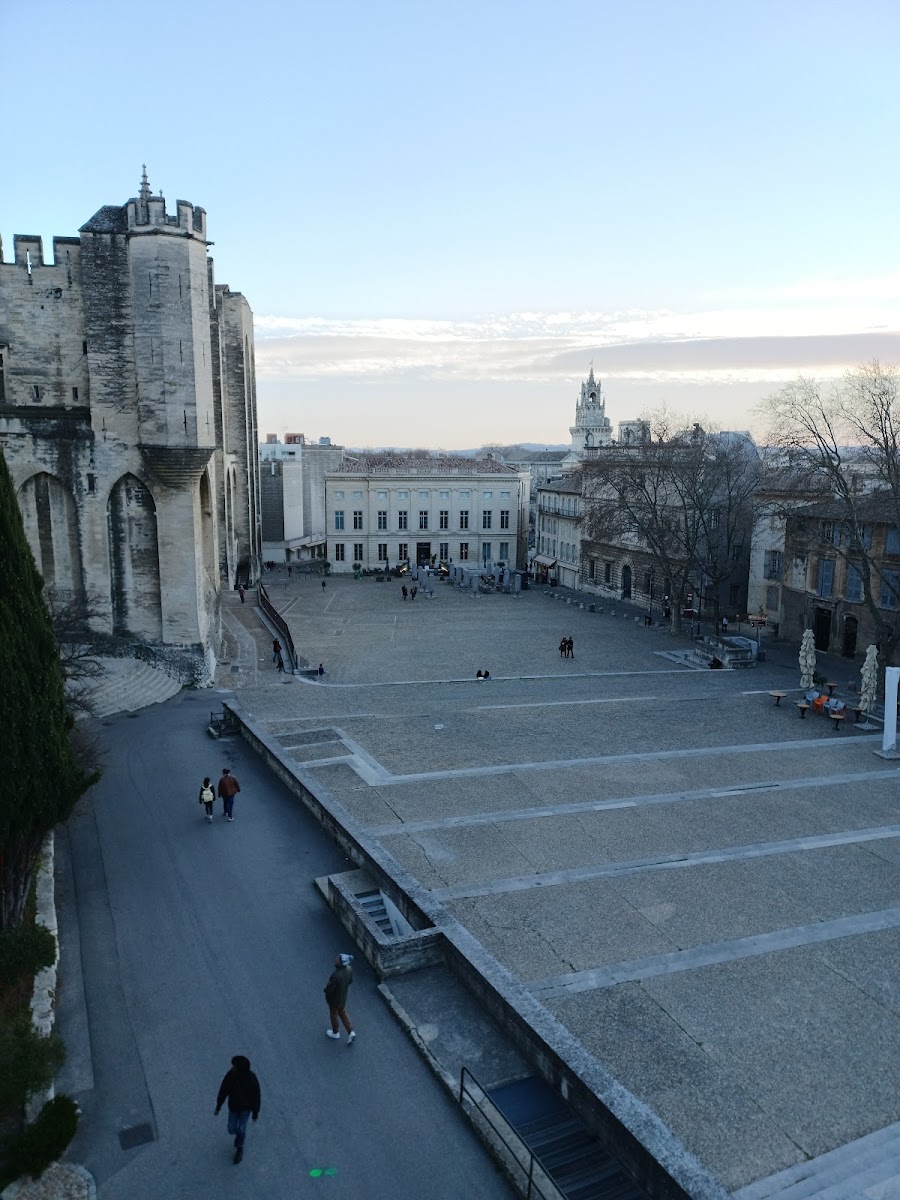
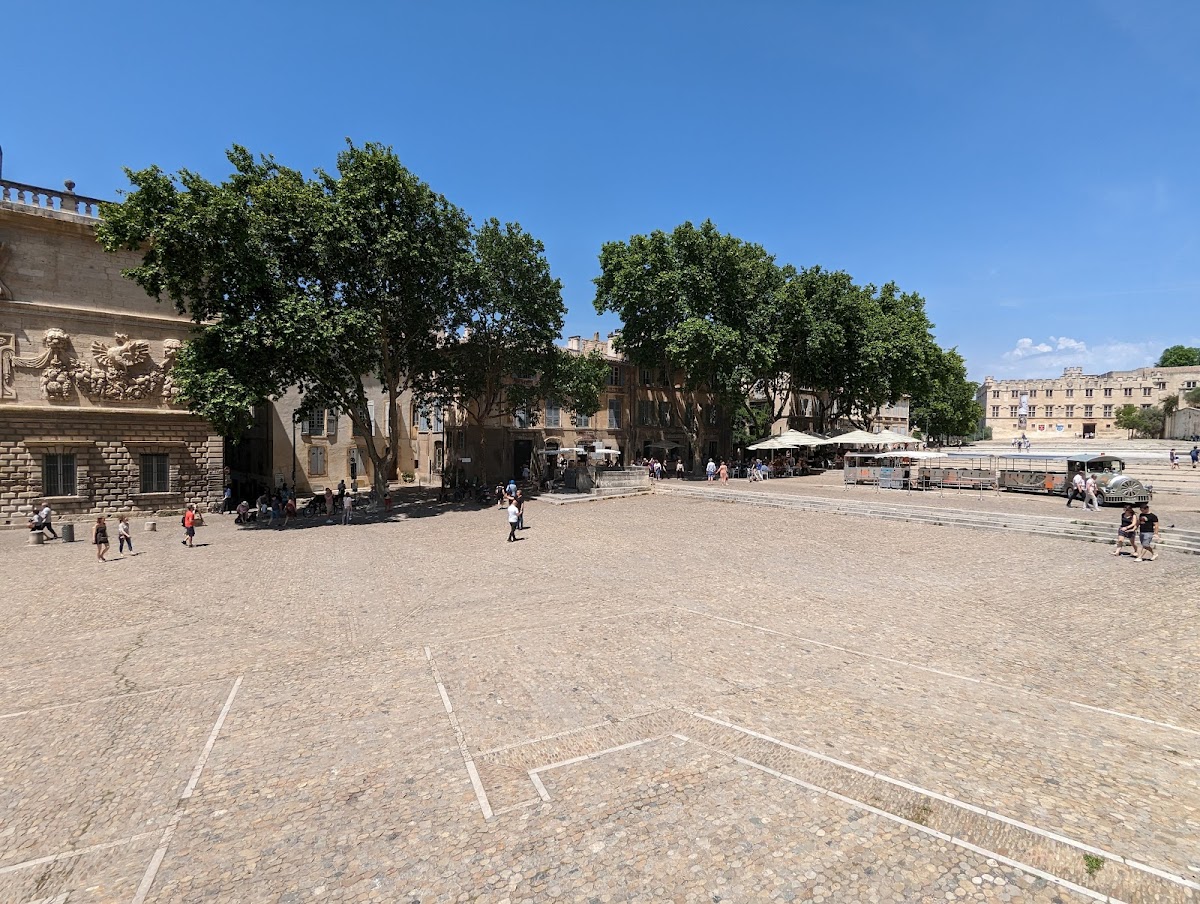
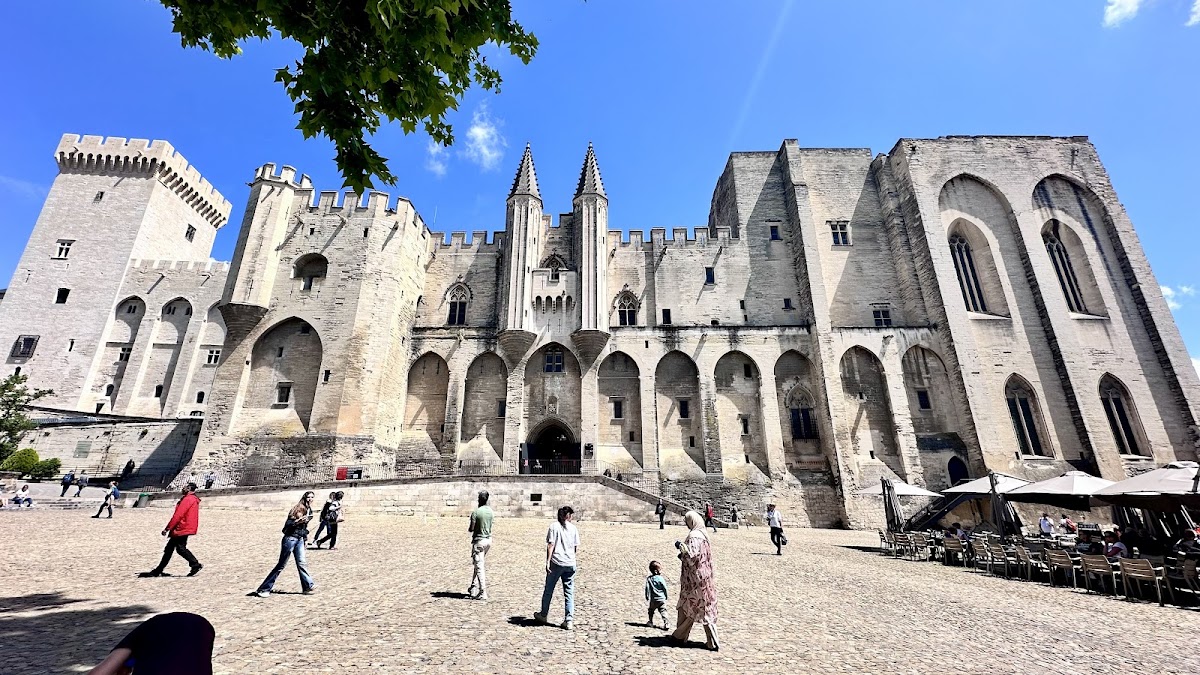
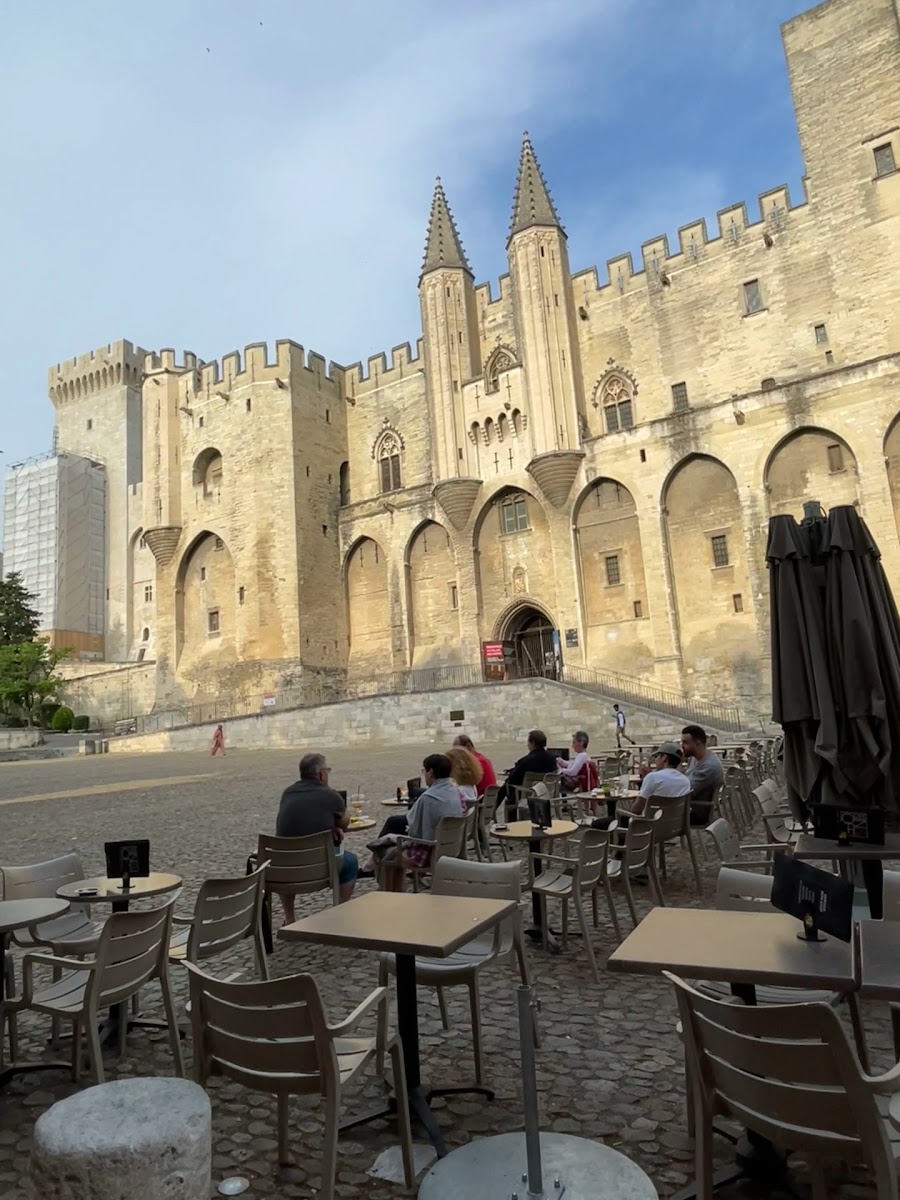
Hôtel des Monnaies stands as a remarkable testament to Avignon’s rich history and architectural grandeur. Built in 1619, this Baroque-style building once served as the Papal mint and financial stronghold during the city’s period under direct Papal control. Its location, directly opposite the imposing Palais des Papes, highlights its historical significance as a center of Papal authority and economic power.
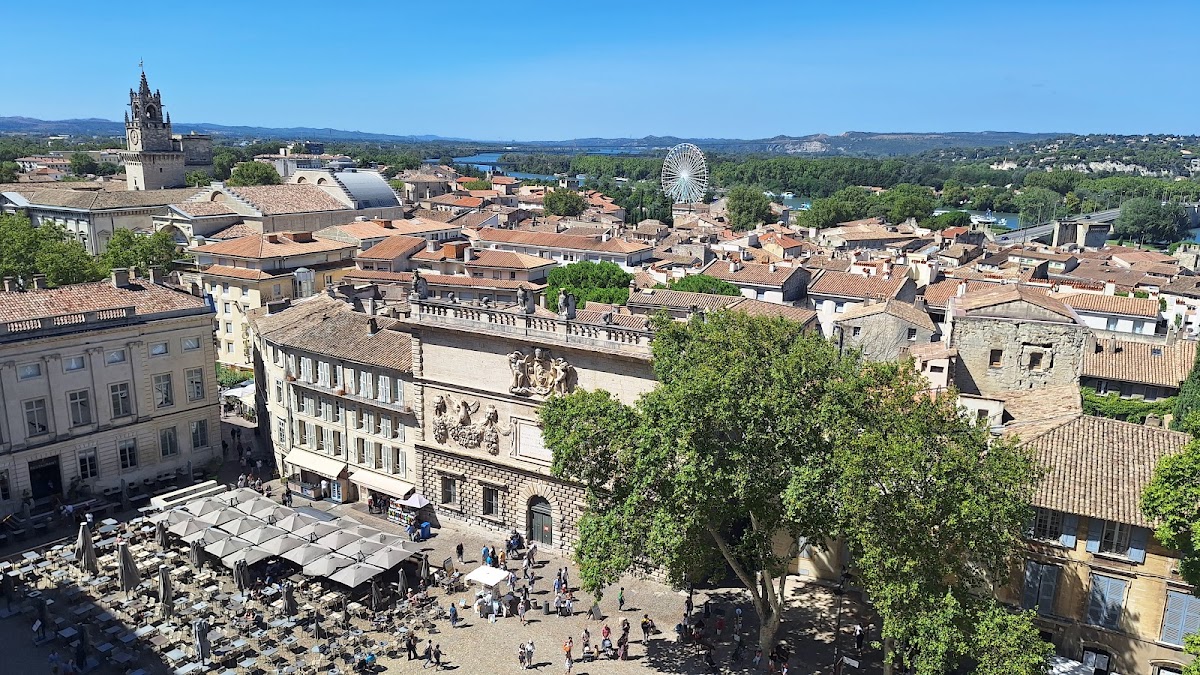
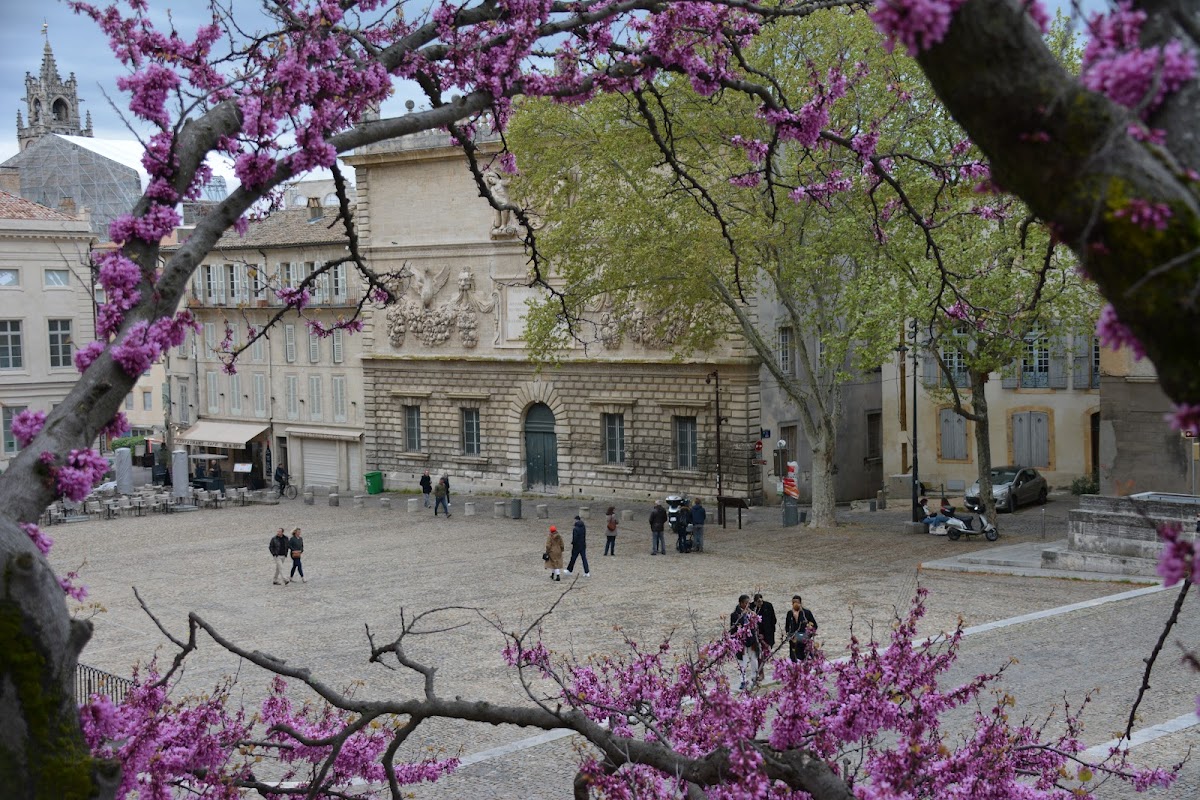
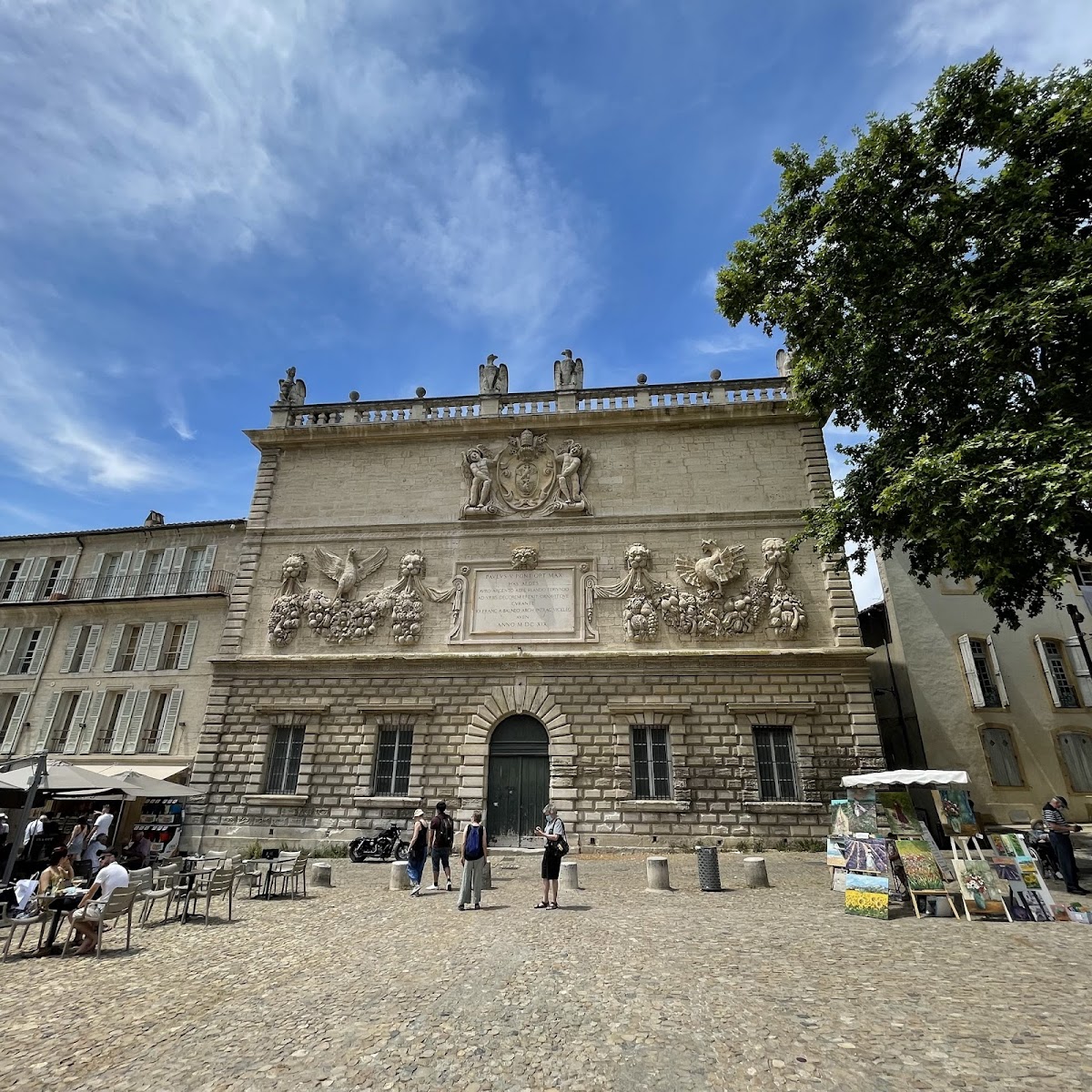
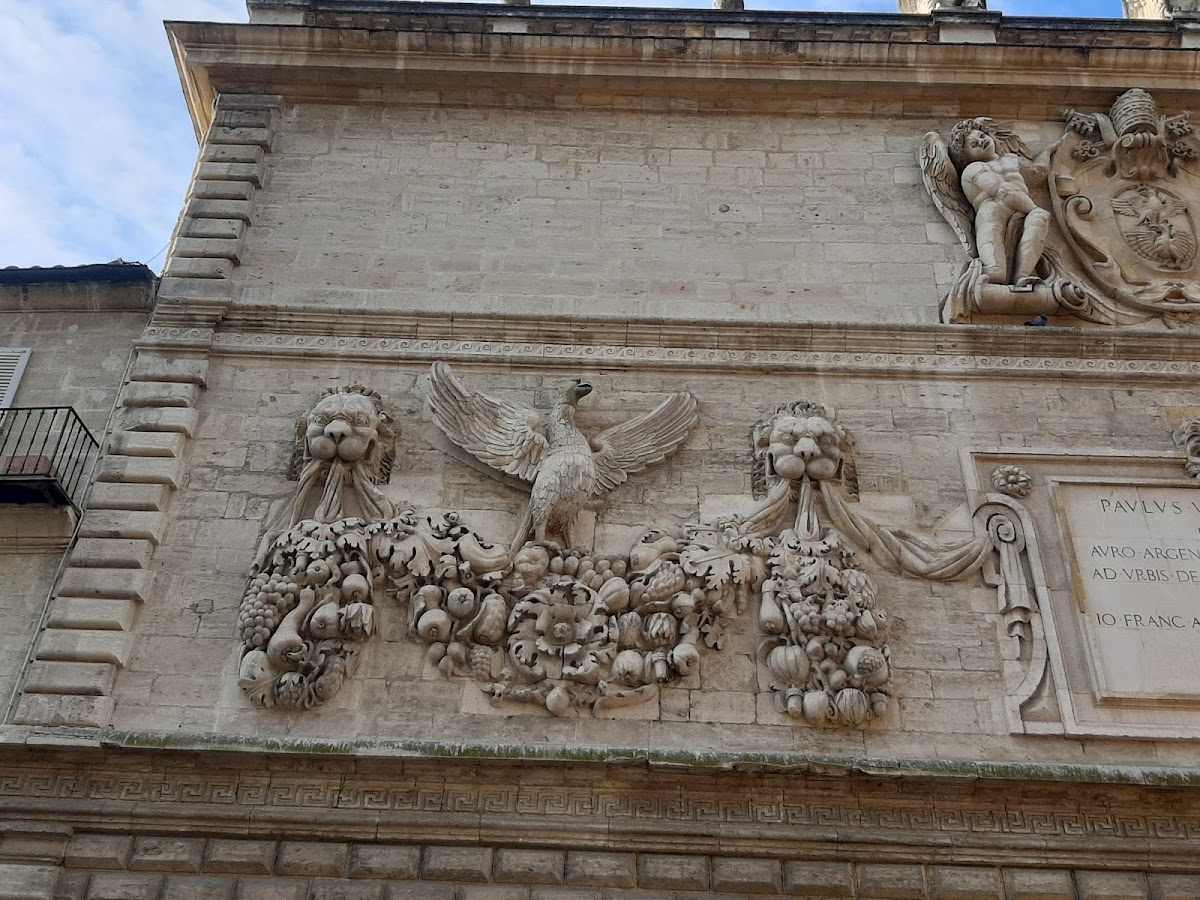
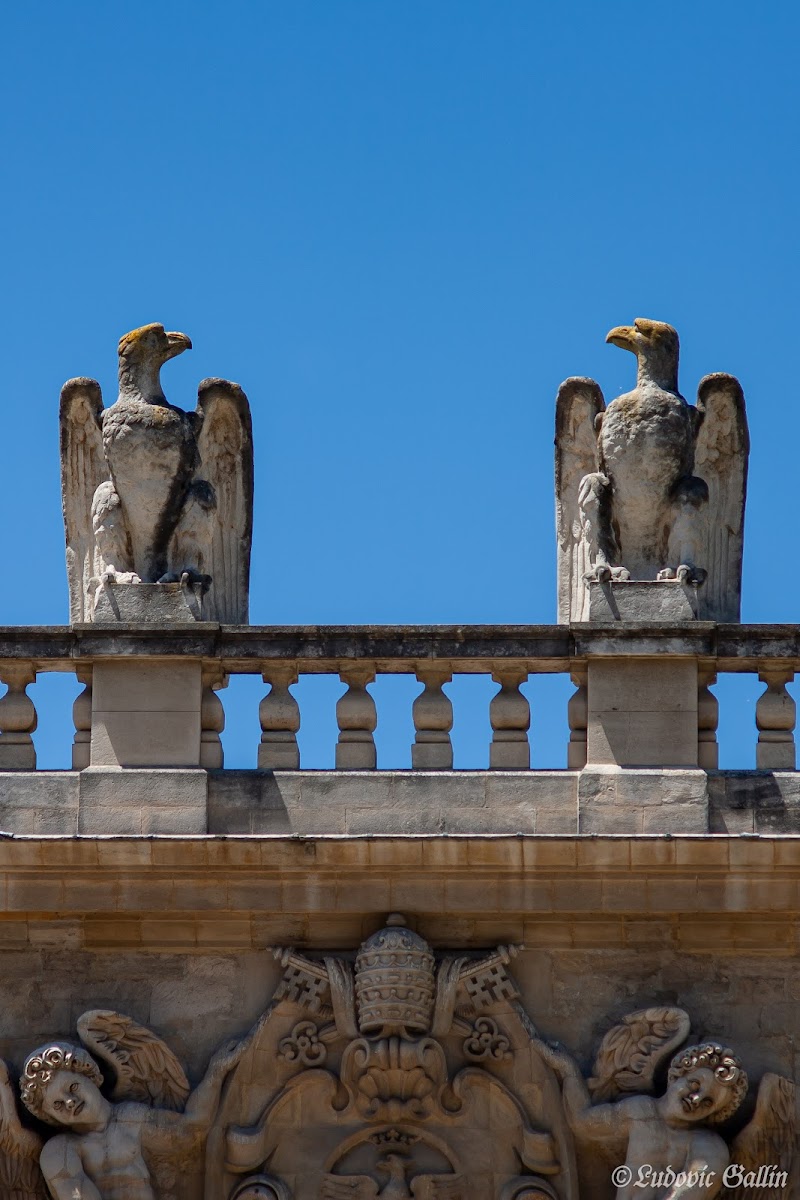
The building’s façade, attributed to the Florentine sculptor Bertolacci, is often regarded as “the most Italian façade in Avignon.” This striking exterior blends intricate stonework with classic Baroque flourishes, standing in compelling contrast to the Gothic austerity of its neighbor, the Papal Palace. Walking past Hôtel des Monnaies, one senses not only the weight of centuries but also the vibrant melding of cultures and artistic influences shaping Avignon’s identity.
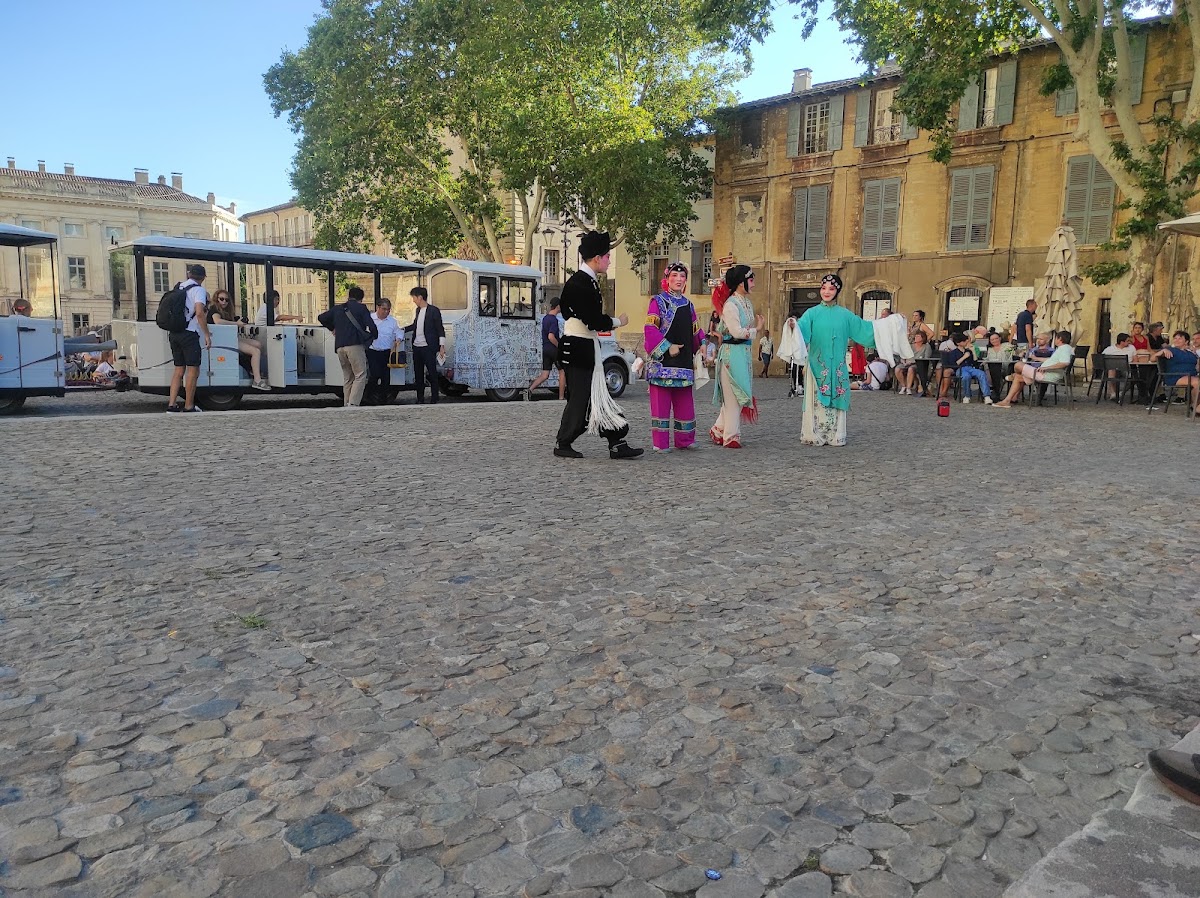
Over the centuries, Hôtel des Monnaies has worn many hats—from a gendarmerie barracks to a town hall and even a fire station. Today, it thrives as a public cultural venue, seamlessly connecting its storied past with the everyday life of locals and visitors. Those seeking a glimpse into Avignon’s layered history will find this site irresistible, especially given the building’s close proximity to other historic landmarks like the medieval Pont d’Avignon bridge and the bustling outdoor cafés in the city center.
Its 4.3-star rating reflects the high regard visitors hold for both its historical and cultural value. Guests often praise not only the architectural splendor but also the ambiance that evokes a profound appreciation for Avignon’s heritage. Business travelers will find the Hôtel des Monnaies conveniently equipped to meet professional needs while still offering the immersive experience of being at the very heart of a historic city.
In sum, Hôtel des Monnaies is more than a building; it is a living narrative carved into stone, echoing the legacy of Papal power, artistic craftsmanship, and communal evolution. Its presence invites reflection, exploration, and a deeper connection to the timeless spirit of Avignon.
Great for visitors
Last Reviews
Ce bâtiment a été construit en 1619, juste en face du Palais des Papes à Avignon. La façade est considérée "la plus italienne des façades à Avignon " (cf Joseph Girard). Elle est attribuée au sculpteur florentin Bertolacci . Ce bâtiment a eu plusieurs destination ms au fil du temps. Apres la Révolution Française il a servi comme caserne pour la Gendarmerie, ensuite Mairie , caserne de pompiers etc En 2018 il a été vendu par la Mairie, il sert actuellement comme Boutique - Hôtel
The building, built in 1619 in Baroque style, once served as the Papal mint and financial headquarters in Avignon during the period when the city was under direct Papal control. Functioning as the regional branch of the Vatican’s monetary and fiscal administration, it was a symbol of Papal authority and economic power. Today, the building has been repurposed as a public cultural venue, hosting exhibitions, concerts, and various artistic events.
Монетный двор расположен в Авиньоне напротив папского дворца и контрастирует с ним своей отделкой, выполненной в стиле барокко. Крупная высеченная на фасаде здания надпись гласит, что оно построено в 1619 году вице-легатом Жаном-Франсуа де Бани (1614-1621) в честь правящего тогда папы римского Павла V. Первый этаж здания, выполненный из камня, освещается четырьмя окнами и дверным проемом, а вот остальная часть фасада без единого окна декорирована огромными скульптурами. Над надписью, которую как будто несут ангелы, расположен герб папы римского Павла V (в миру Камилло Боргезе) и папская тиара. А ниже, по обе стороны от мемориальной надписи мы видим герб династии Боргезе, на котором изображены орел и дракон, подчеркнутые пышными гирляндами из фруктов, что является классическим атрибутом барочного стиля. Вероятно, вице-легат Жан-Франсуа де Бани, хотел восхвалить также и легата Авиньона Сципиона Каффарелли (1607-1621), племянника папы римского, ставшего впоследствии кардиналом Шипионе Боргезе. Он также прославился как меценат и неутомимый коллекционер искусства. К сожалению, архивы были разграблены и утеряны. И об «авторе самого итальянского фасада Авиньона, который перенес Рим на берега реки Роны» (Ж.Жирар) более ничего неизвестно. С 1860 года, здесь располагалась музыкальная консерватория имени композитора Оливье Мессиена (1908-1992), одного из самых известных жителей Авиньона XX века. Однако в 2007 году консерватория была перенесена в другое здание.
Info (Essential details)
-
 Phone Number+33 4 74 70 07 00
 - Address5 Pl. du Palais, 84000 Avignon, France